Estate Cleanouts in Tampa, FL
The first task is protecting what matters. Removal comes after authority, records, keepsakes, and family decisions are clear.
Prepare an estimate
Scope before schedule
Estate cleanouts can involve an inherited home, a move to care, downsizing, or a property sale. The work should begin with one authorized decision-maker, a protected hold area, and a room-by-room list. Legal, tax, financial, medical, and sentimental materials should stay out of the removal stream until reviewed.
Commonly planned
- Room-by-room household contents
- Furniture and approved appliances
- Garage, patio, and storage contents
- Boxed books, clothing, and ordinary household goods
- Phased removal when decisions are not finished
Needs another plan
- Legal advice or document-retention decisions
- Medication, sharps, or medical waste
- Firearms, ammunition, or controlled items
- Unknown chemicals and secured containers
- Removal without clear authority from the responsible person
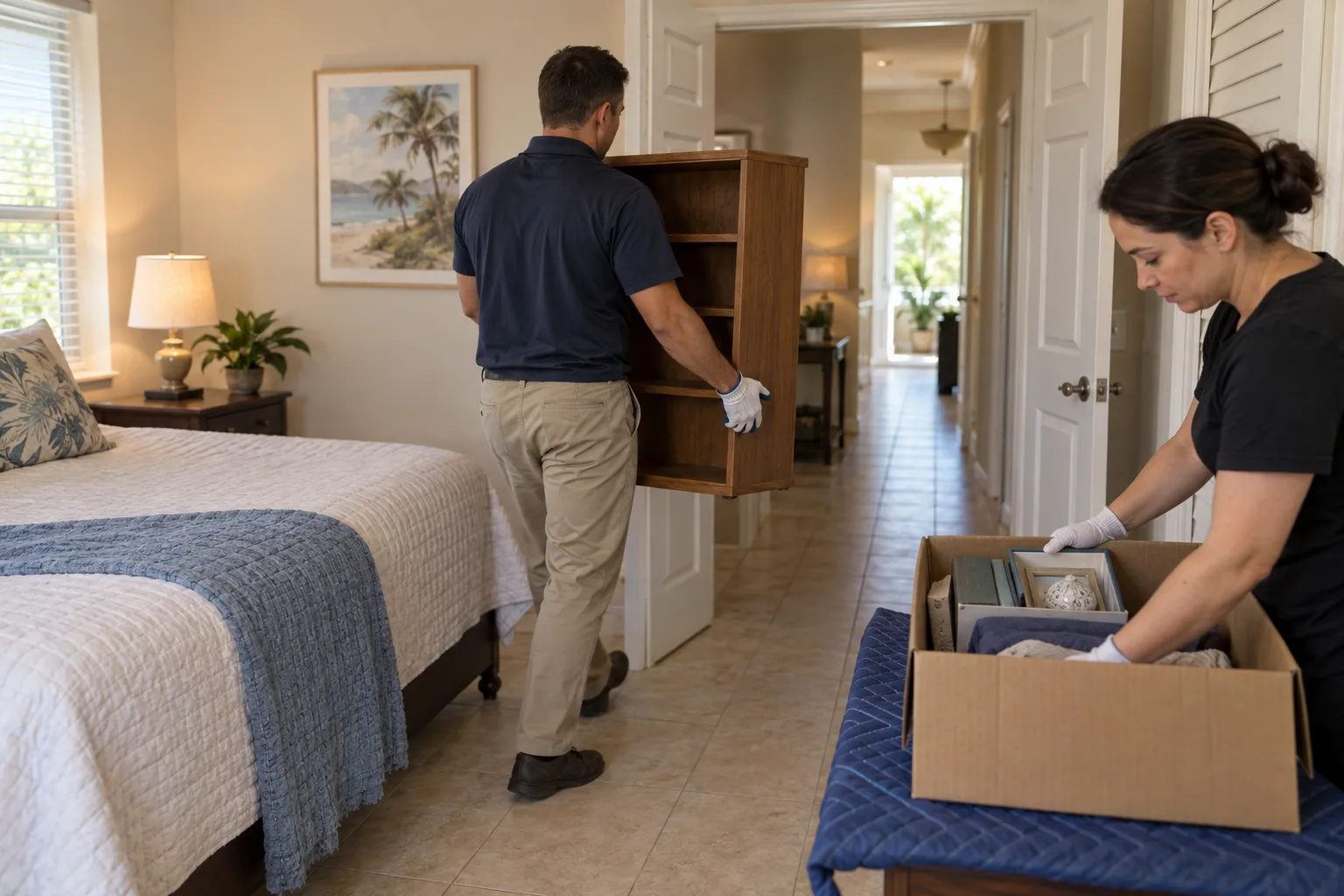
Prepare the route
- Confirm who has authority to approve removal.
- Create a protected hold area for documents, photos, jewelry, keys, and keepsakes.
- Walk every room and photograph the starting condition.
- Mark rooms or items that are out of scope.
- Choose whether the job should happen in one visit or phases.
What changes the estimate
Item count is only one part of the job.
Use the preparation checklist for this service.
Read the guideQuestions for this load
Can an estate cleanout happen in stages?
Yes. A first pass can remove clearly approved items while documents, keepsakes, and disputed belongings stay protected.
Who should be present?
Use one authorized decision-maker whenever possible. Conflicting instructions can stop the work and create avoidable mistakes.
What should never enter the junk pile?
Identity documents, tax and property records, financial papers, keys, photos, medications, firearms, and anything whose ownership is unclear.