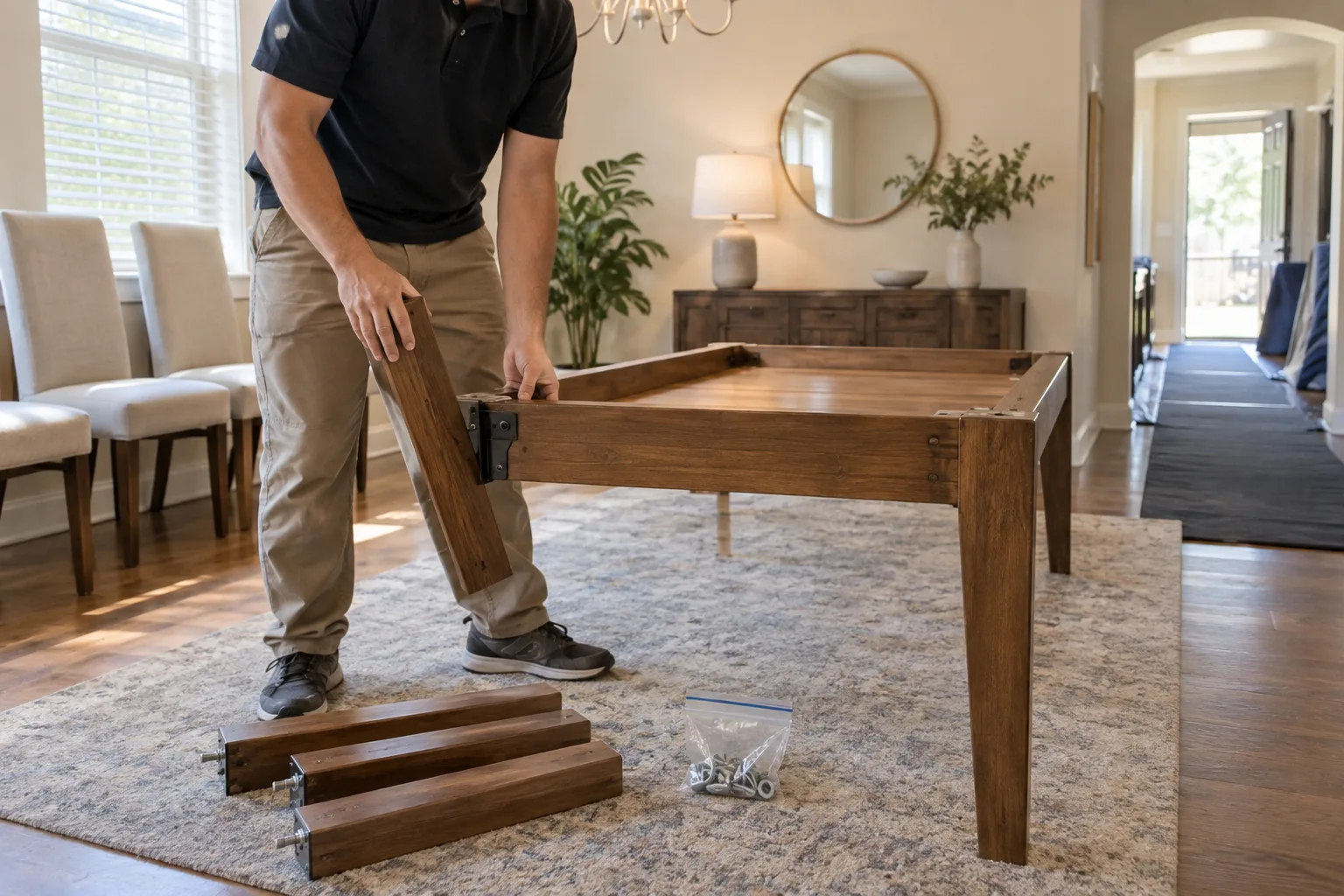
What to Measure Before Furniture Pickup
Measure the furniture and its full exit route before pickup day. Use this table for doors, turns, stairs, elevators, and parking access.
QuickBin helps Tampa households plan residential junk removal around the load, the path out, and the material that needs a different route.
Start broad or go straight to the page that matches the load.
From one crowded room to a full household reset, the first useful step is a clear picture of the items and the path out.
ViewBulky piecesThe hard part is often the route, not the item. Doorways, turns, stairs, loose parts, and parking all belong in the plan.
ViewUtility-readyAn appliance is ready to move only after utilities, contents, water, and the exit route are handled.
ViewFour zonesA garage clears faster when decisions are visible and restricted items are separated before loading starts.
ViewProtected holdThe first task is protecting what matters. Removal comes after authority, records, keepsakes, and family decisions are clear.
ViewSeparated debrisClean vegetation, construction material, appliances, and hazardous waste should not become one mixed pile.
View
Show the smaller boxes, dense material, loose pieces, narrow turns, and truck position. That information changes the plan more than a generic room label.
Use the estimate worksheetEach decision removes a common source of delay or damage.
Eligible residents can use municipal bulky-item programs for certain furniture, appliances, mattresses, and yard material. Timing, account eligibility, quantities, and set-out rules apply.
Check current City of Tampa rulesFive focused guides answer the questions that service pages cannot.
Measure the furniture and its full exit route before pickup day. Use this table for doors, turns, stairs, elevators, and parking access.
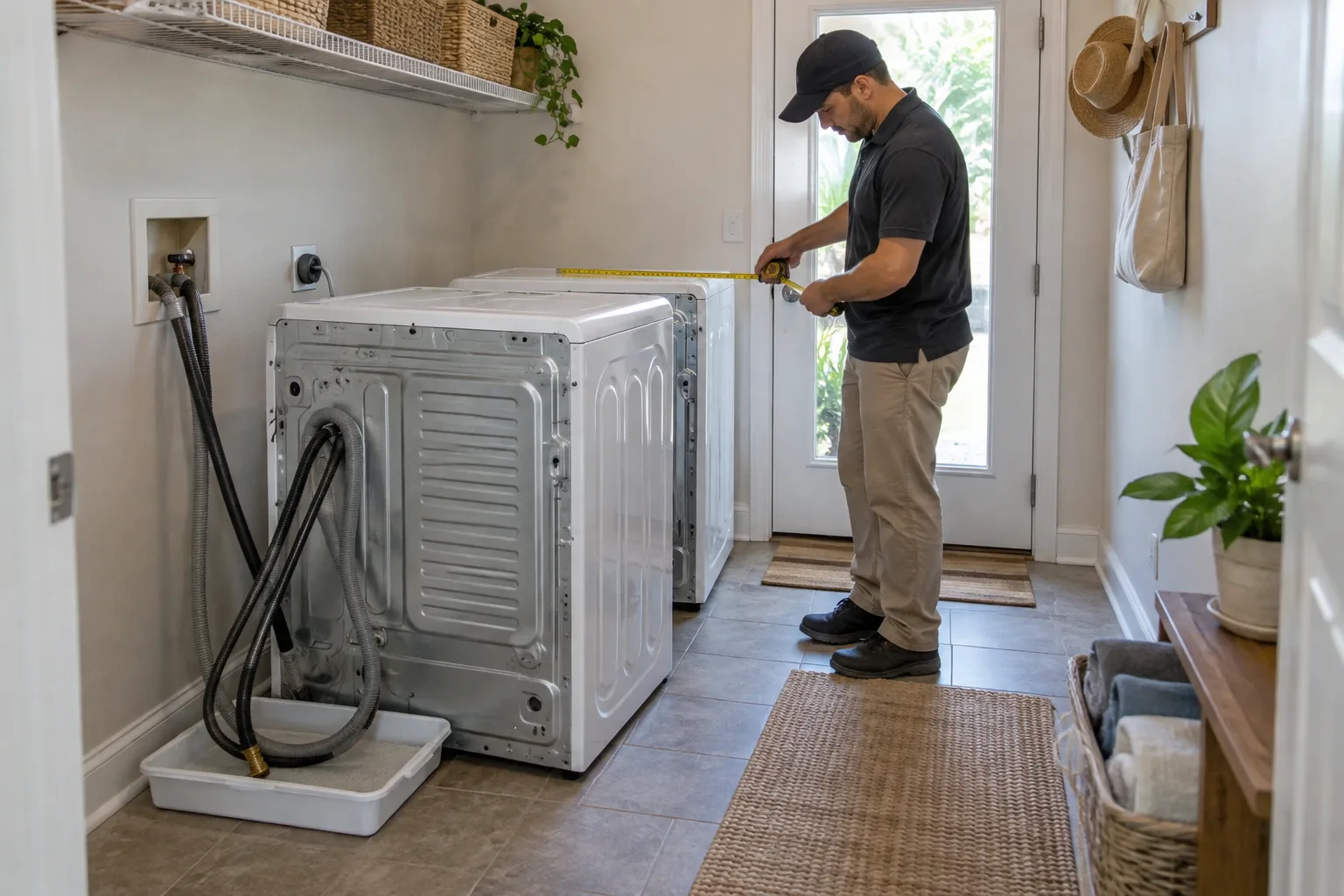
Prepare an old refrigerator or freezer for removal without leaving food, water, live connections, or a blocked exit route.
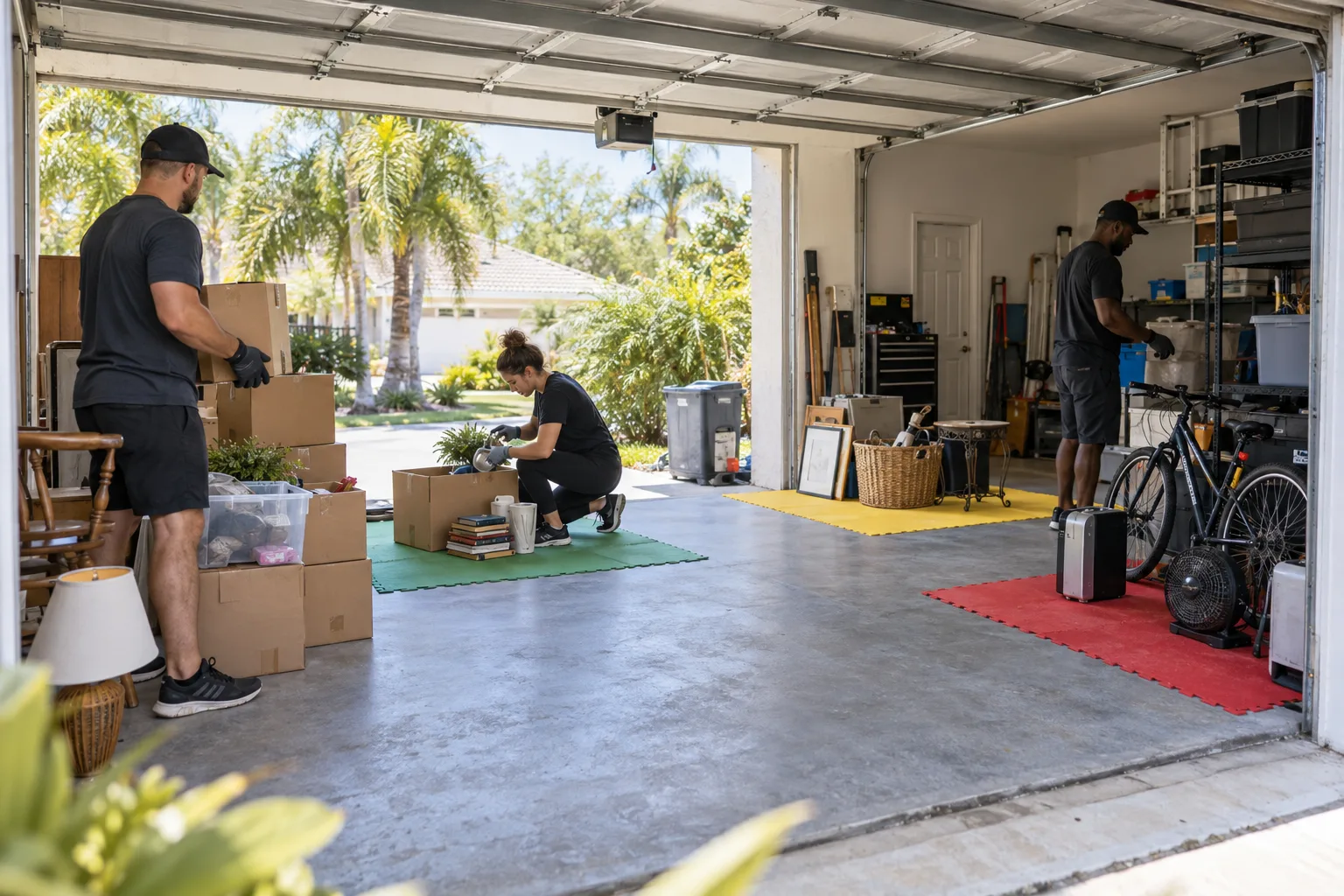
Use four visible zones to sort a garage without mixing keepers, removal items, hazardous material, and undecided boxes.
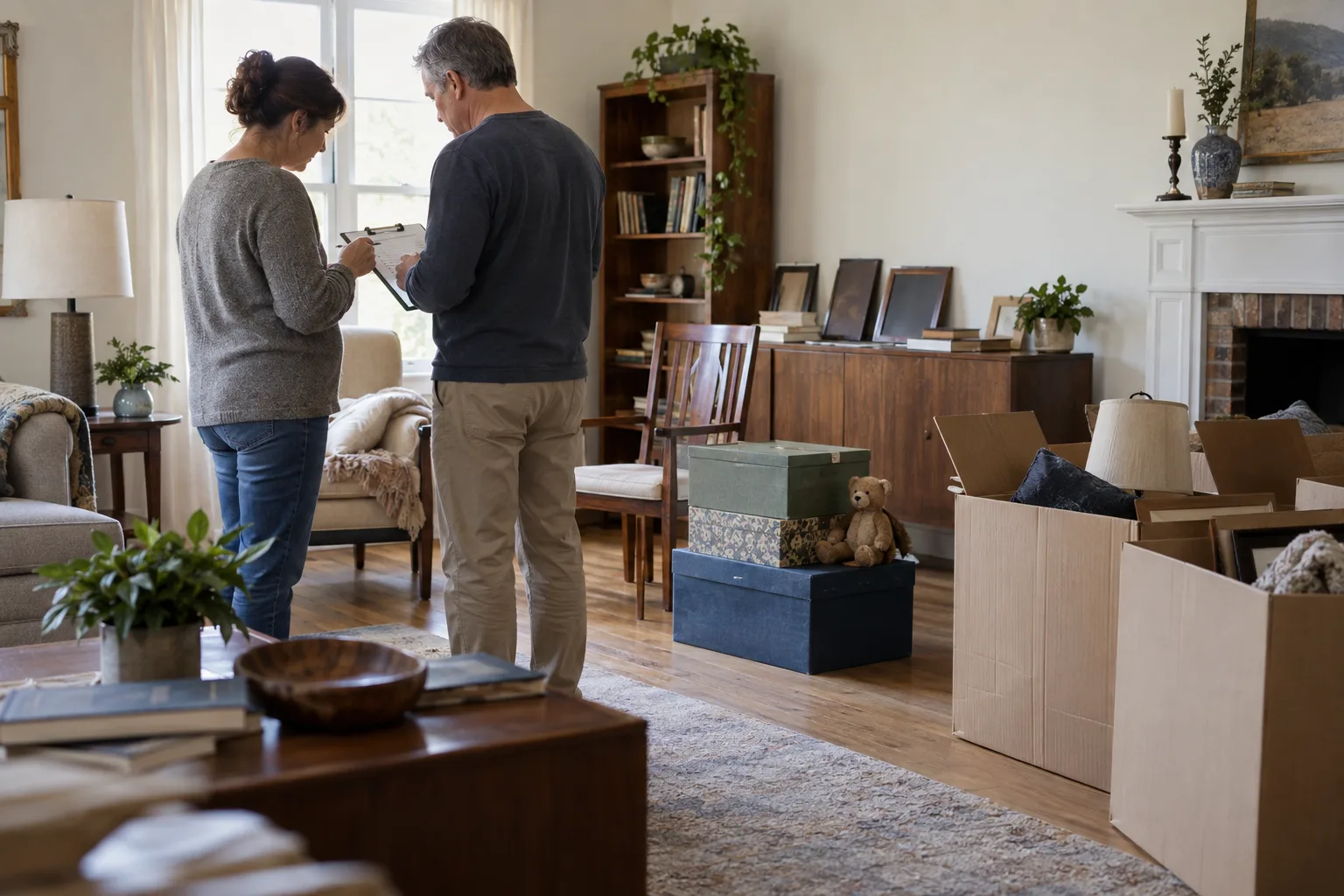
Set aside identity, property, tax, financial, legal, medical, and sentimental records before household removal begins.
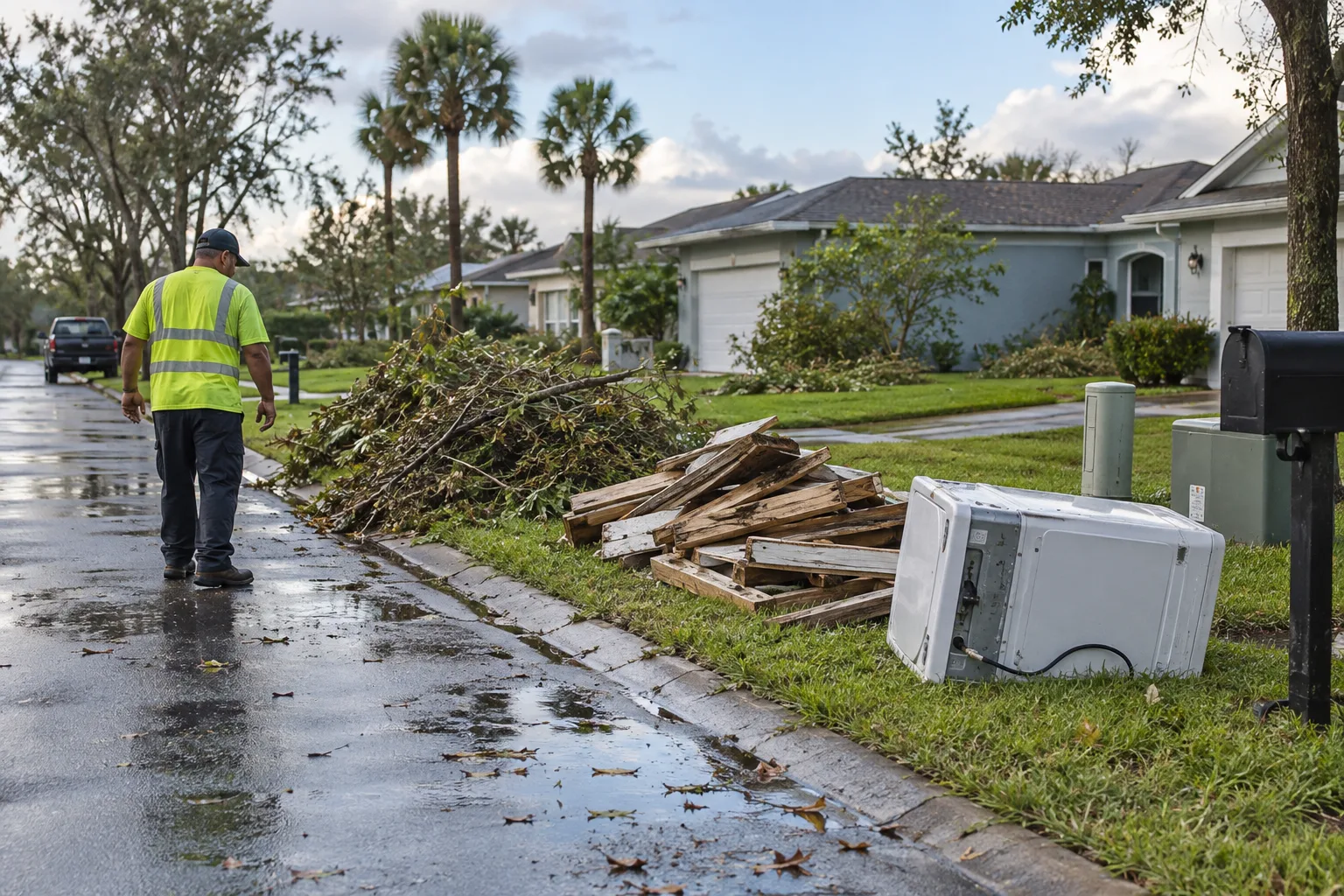
Separate vegetation, construction material, appliances, electronics, hazardous waste, and household garbage after a Tampa Bay storm.
List the load, photograph the route, separate restricted material, and record the timing.
Prepare the estimate details